
Solar Modules, Micro Inverters and Storage: Plan the Interfaces First
Compare application needs across flexible modules, rooftop panels, micro inverters and modular batteries before defining a solar project.
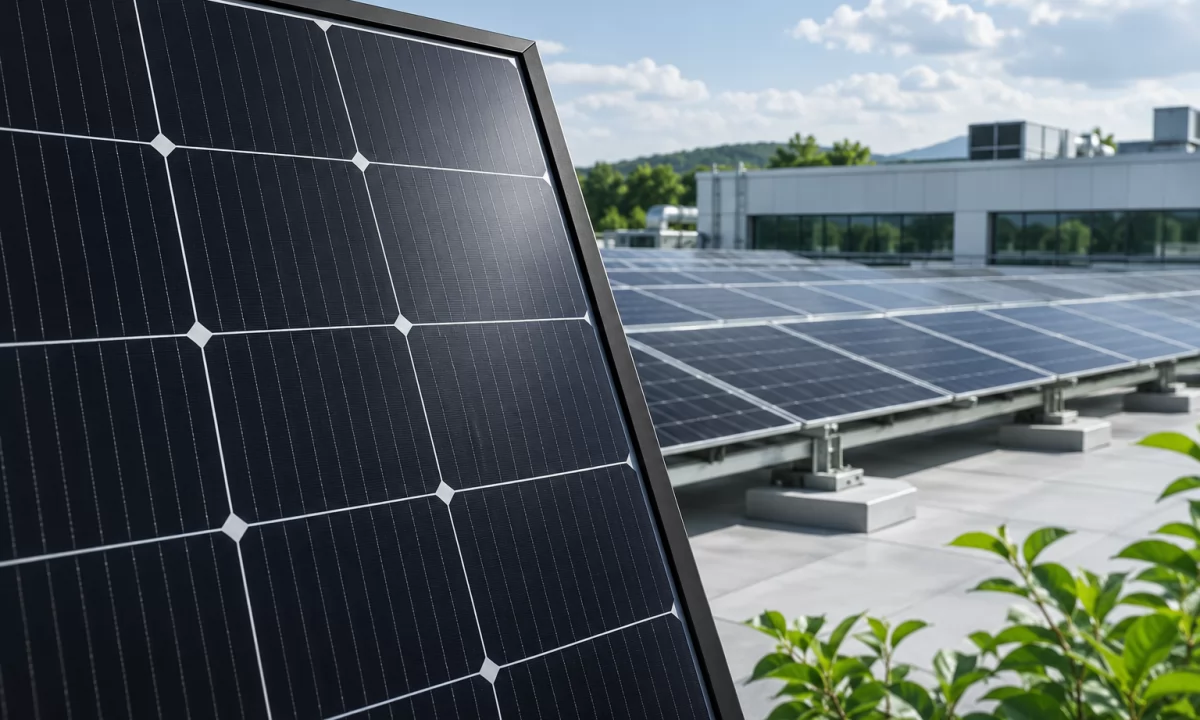
Define the project before comparing power labels
A lightweight mobile installation and a fixed commercial rooftop ask different questions of a solar module. SHIXING’s solar portfolio includes 120 W and 240 W flexible panel listings, all-black double-glass modules and a TOPCon bifacial series. The range also includes micro inverters and modular storage batteries. Start with the installation type, available space, intended loads and operating environment before narrowing down individual components.
Choose the module format around the installation
Flexible panels can be considered where weight and mounting constraints are central to the brief. Confirm the permitted curvature, mounting method, backing ventilation and environmental limits for the specific model. For framed rooftop modules, review dimensions, mounting requirements, structural loads and access for maintenance. Bifacial performance depends on the installation conditions; do not assume that a quoted front-side rating represents the energy output of the completed system.
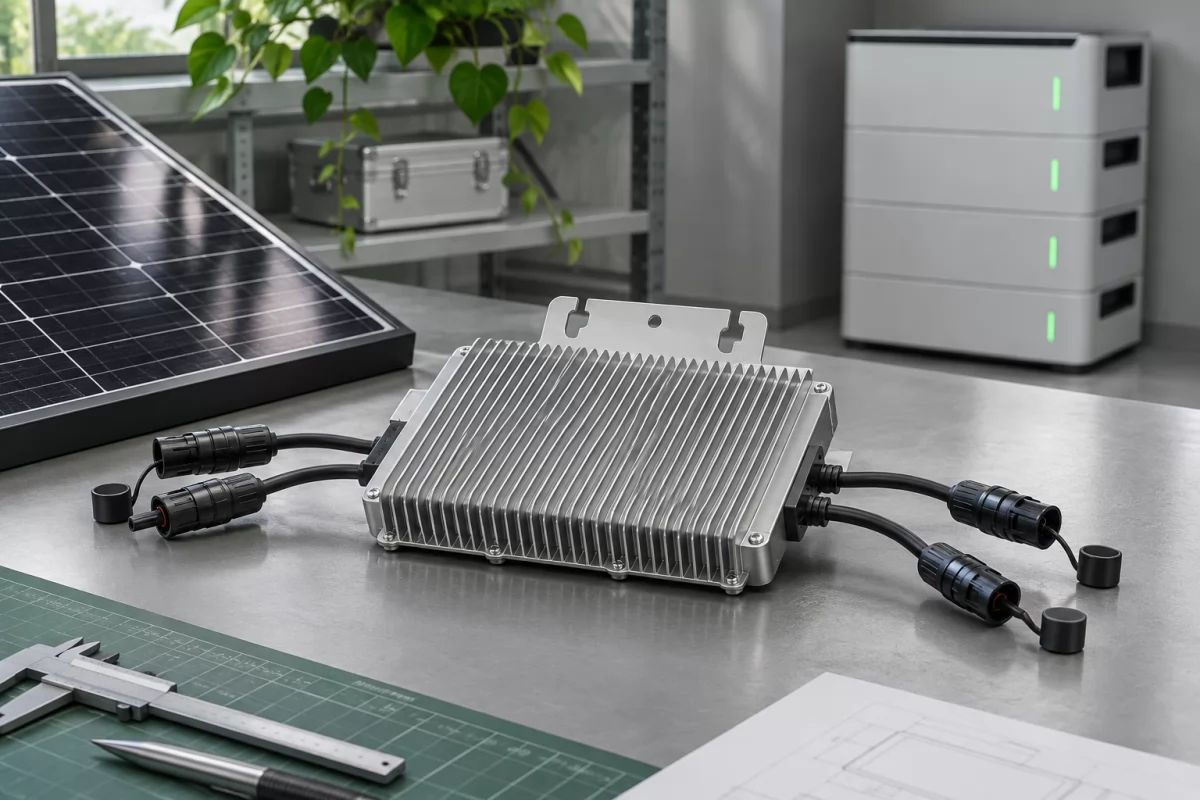
Review the inverter input against the module data
The micro inverter range includes 800 W, 1 kW and 2000 W product listings. Matching a panel and inverter requires more than comparing their power labels. Ask for the exact input voltage window, maximum input voltage, current limits, number of independent inputs and connector configuration. The project designer should check the module’s electrical characteristics across the expected site conditions, including temperature, before selecting the combination.
Give storage its own compatibility review
The storage portfolio includes 1024 Wh, 2.8 kWh and modular 1–4 kWh listings. Energy capacity alone does not establish the output power available to loads or compatibility with other equipment. Confirm operating voltage, usable capacity, power limits, control interfaces, expansion rules and required supporting equipment. A grid-tied micro inverter and a battery are not automatically a directly connectable system; request an approved system arrangement for the intended application.
Request a documented configuration
Provide the location, mounting conditions, intended system layout, load requirements and quantities. Ask for model-specific datasheets, interface details and documentation appropriate to the destination. Where a listing gives a range of power ratings or incomplete dimensions, identify the exact variant in writing. SHIXING can review an inquiry against its product portfolio so that the next quotation is based on a defined configuration.
Explore the related products
- 240W Flexible Solar Panel
- 600–650W TOPCon Bifacial Solar Panel
- 800W Waterproof Solar Micro Inverter
- 2.8kWh Stackable Home Storage Battery
Images are AI-generated illustrations for this guide. Refer to the linked product pages and confirmed model documentation for actual product details.
Discuss Your Requirements ↗